
GLP-1 Weight Loss Medications: The Good, the Bad, and the Ugly — And What They’re Really Doing to Your Muscle, Metabolism, and Long-Term Results

Photo Credit: Shutterstock
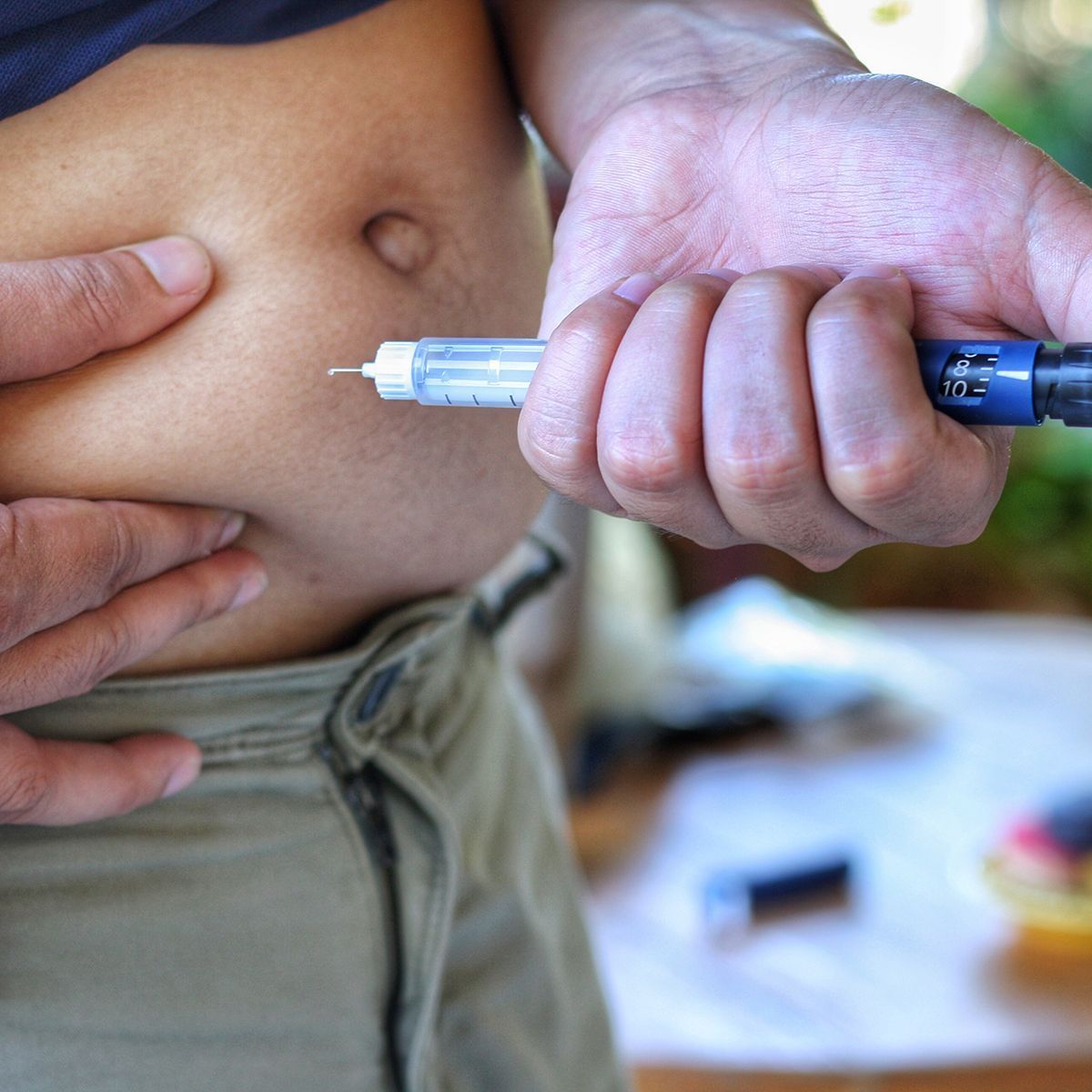
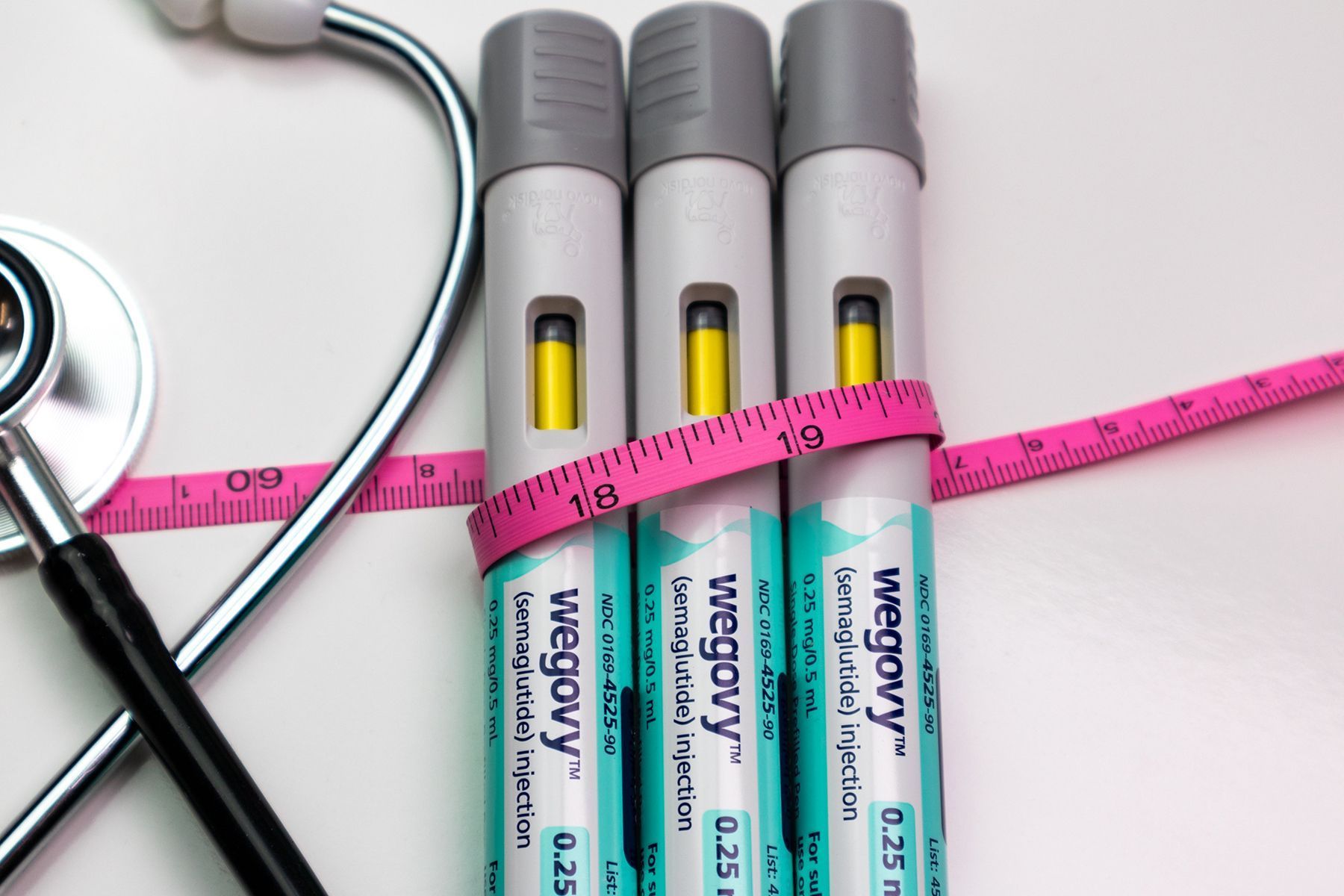
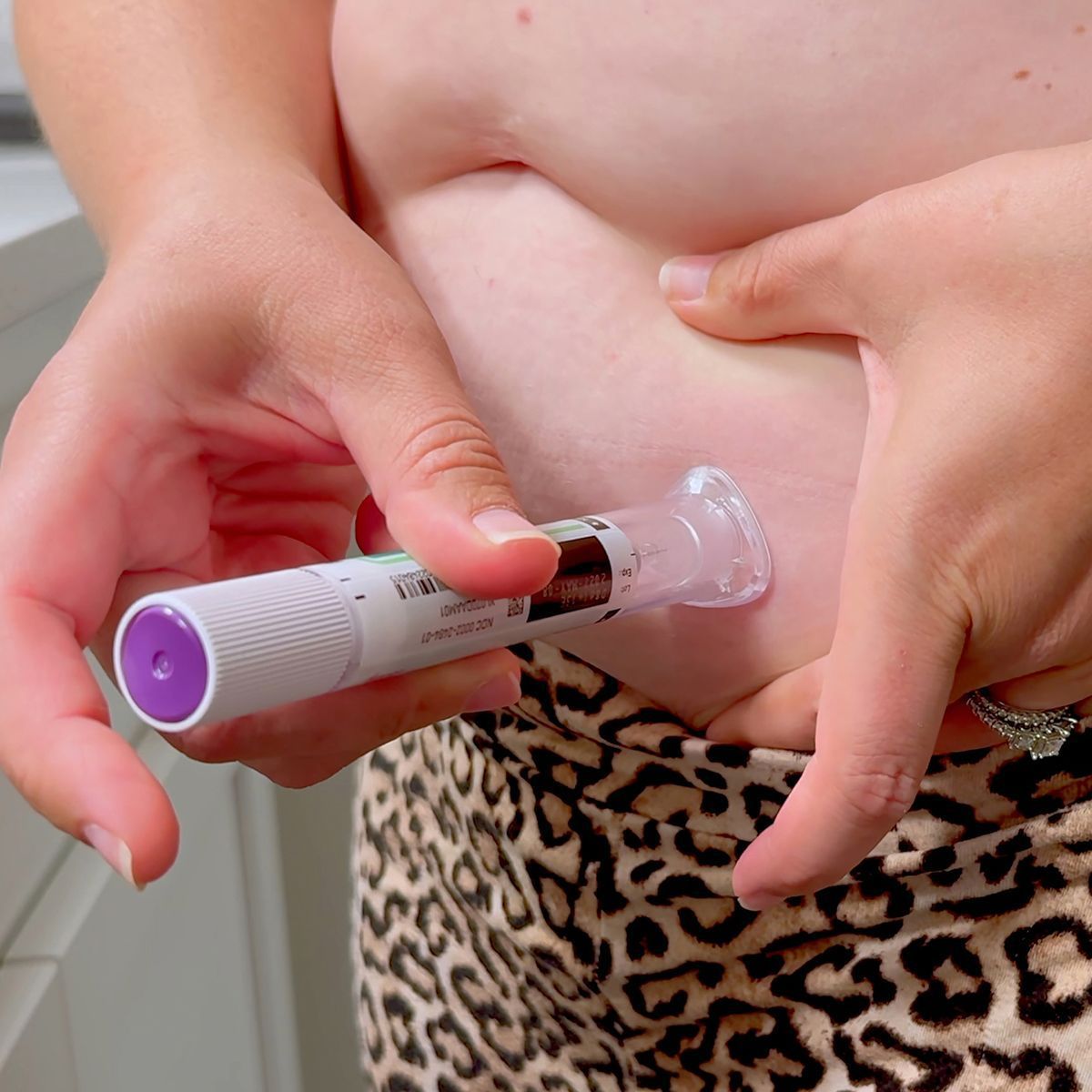
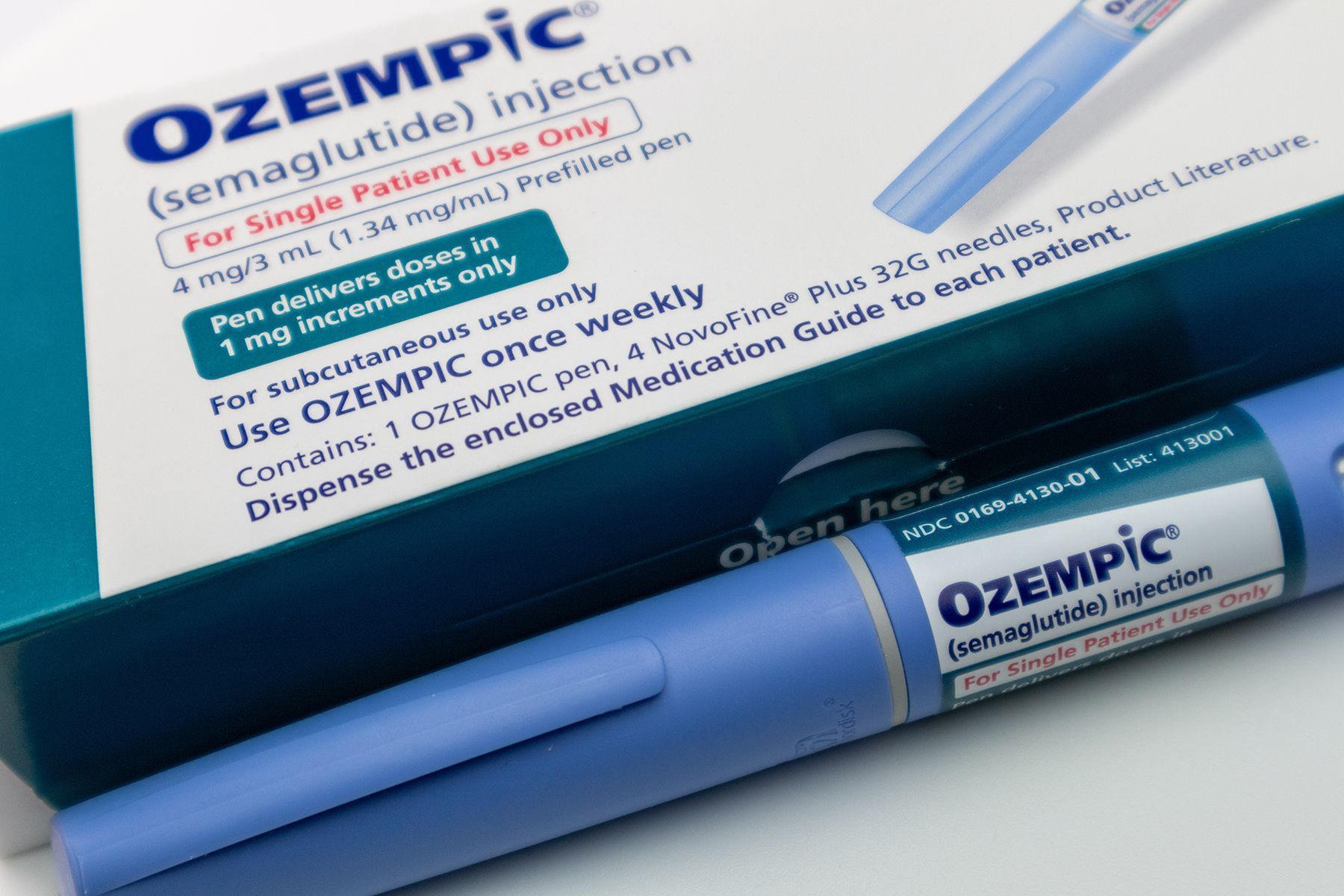
GLP-1 weight loss medications such as Ozempic®, Wegovy®, Mounjaro®, and Zepbound® have exploded in popularity over the last few years. For many people, these medications can produce rapid weight loss, dramatic drops on the scale, and short-term excitement.
But as more real-world data and research emerge, a much clearer picture is forming.
Yes, GLP-1 medications can help people lose weight.
But what kind of weight is being lost, how sustainable it is, and what happens after the medication is stopped is where the conversation becomes far more complex — and far more concerning.
At Kansas City Laser-Like Lipo®, we believe in education first, not hype. This article breaks down the good, the bad, and the ugly of GLP-1 weight loss medications, with a special focus on lean muscle loss, metabolic slowdown, weight regain, and the long-term consequences that many people are not told about.
The “Good”: Why GLP-1 Medications Cause Rapid Weight Loss
GLP-1 medications work by mimicking a naturally occurring hormone called glucagon-like peptide-1, which helps regulate blood sugar and appetite.
These medications:
- Suppress appetite
- Slow gastric emptying (food stays in the stomach longer)
- Increase feelings of fullness
- Reduce calorie intake, often dramatically
For many individuals, this results in:
- Fast initial weight loss
- Reduced cravings
- Easier adherence to a calorie deficit in the short term
From a purely scale-based perspective, GLP-1 medications can appear very effective. But the scale does not tell the whole story.
The Hidden Cost: How Much Lean Muscle Mass Is Lost on GLP-1 Medications?
One of the most critical — and often ignored — findings from recent research is how much lean muscle mass is lost during GLP-1-induced weight loss.
What the Research Shows:
- Multiple studies now suggest that 30–50% of the weight lost on GLP-1 medications comes from lean body mass, not just fat.
- Lean body mass includes:
- Skeletal muscle
- Organ tissue
- Structural proteins that support metabolism and strength
To put this in perspective:
If someone loses 30 pounds on a GLP-1 medication, 9 to 15 pounds of that weight may be muscle. This is not normal, healthy weight loss.

Photo Credit: Shutterstock
Why Losing Lean Muscle Is a Serious Problem
1. Muscle Is Your Metabolism
Lean muscle tissue is metabolically active. The more muscle you have, the more calories your body burns — even at rest.
When muscle is lost:
- Basal metabolic rate drops
- The body burns fewer calories per day
- Weight maintenance becomes harder
- Future fat loss becomes more difficult
This is one of the primary reasons people experience rapid weight regain after stopping GLP-1 medications.
2. Muscle Is Extremely Hard to Regain — Especially as You Age
Unlike fat, muscle is not easily regained, particularly for:
- Adults over 35
- Individuals with hormonal changes
- Those who have dieted aggressively multiple times
After muscle loss:
- Rebuilding requires resistance training
- Adequate protein intake
- Time, consistency, and recovery
Many people who lose muscle on GLP-1 medications never fully regain it, leaving them metabolically disadvantaged long term.
The Ugly Truth: Why 80% of People Regain the Weight
Emerging data show that roughly 80% of people regain the weight they lost within one year of stopping a GLP-1 medication.
Why?
Because:
- Appetite suppression disappears
- Calorie intake increases
- Metabolism is now lower due to muscle loss
- The body is primed to store fat more efficiently
This creates the perfect storm for rebound weight gain — often with a higher fat percentage than before.

Photo Credit: Shutterstock
GLP-1 Dropout Rates: Why So Many People Quit
Despite the hype, real-world adherence to GLP-1 medications is surprisingly low.
The Numbers Are Eye-Opening:
- Approximately 63% of people stop using GLP-1 medications within the first month
- Nearly 70% stop within the first year
The Most Common Reasons:
- Persistent nausea
- Constipation
- Diarrhea
- Vomiting
- Fatigue
- Loss of enjoyment of food
- GI discomfort that impacts daily life
For many people, the side effects outweigh the benefits long before long-term weight loss is achieved.
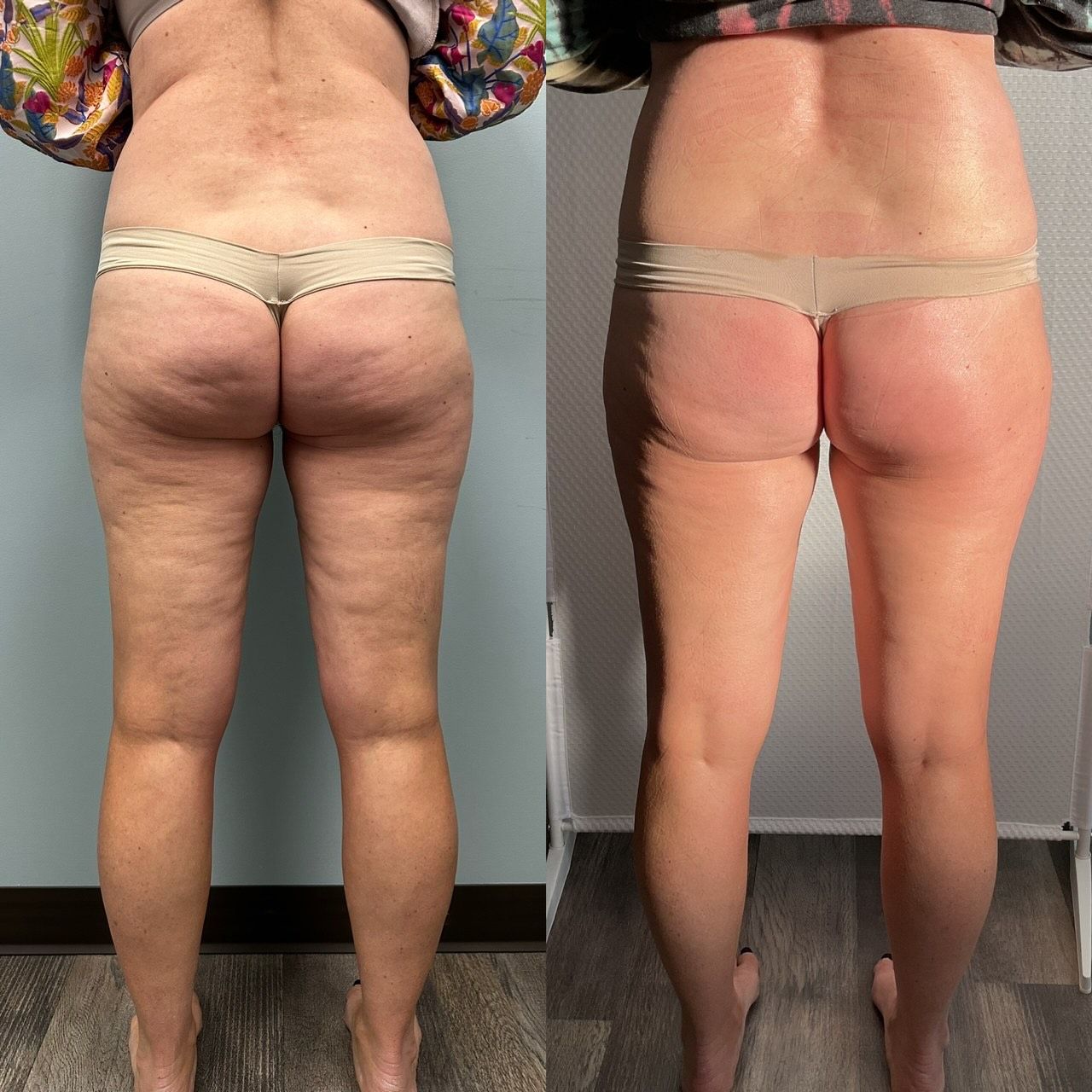
“Ozempic Face” and “Ozempic Butt”: What’s Really Happening?
Terms like “Ozempic Face” and “Ozempic Butt” have become increasingly common — and for good reason.
These changes are largely the result of:
- Rapid weight loss
- Significant loss of muscle and connective tissue
- Reduced structural support under the skin
The Result:
- Sagging facial skin
- Sunken cheeks
- Flattened or loose gluteal tissue
- Accelerated appearance of aging
This is not simply fat loss — it is loss of tissue integrity, which becomes more noticeable when muscle mass is stripped away.
Why Scale Weight Loss Is Not the Same as Fat Loss
At Kansas City Laser-Like Lipo®, we emphasize one crucial truth:
Weight loss and fat loss are not the same thing.
GLP-1 medications often lead to:
- Rapid weight loss
- Significant muscle loss
- Metabolic slowdown
True fat loss, on the other hand:
- Preserves lean muscle
- Supports metabolic health
- Improves body composition
- Is far more sustainable
The Long-Term Risk Most People Aren’t Told About
When muscle mass is lost:
- Blood sugar control worsens over time
- Insulin sensitivity can decline
- Functional strength decreases
- Risk of injury increases
- Quality of life declines with age
Ironically, the very medications designed to improve metabolic health may undermine it long term if muscle loss is not addressed.

Photo Credit: Shutterstock
A Smarter, More Sustainable Approach to Fat Loss
At Kansas City Laser-Like Lipo®, our focus is not quick fixes — it’s long-term success.
Our comprehensive approach emphasizes:
- Preserving lean muscle mass
- Supporting metabolism
- Targeting stubborn fat
- Improving body composition, not just scale weight
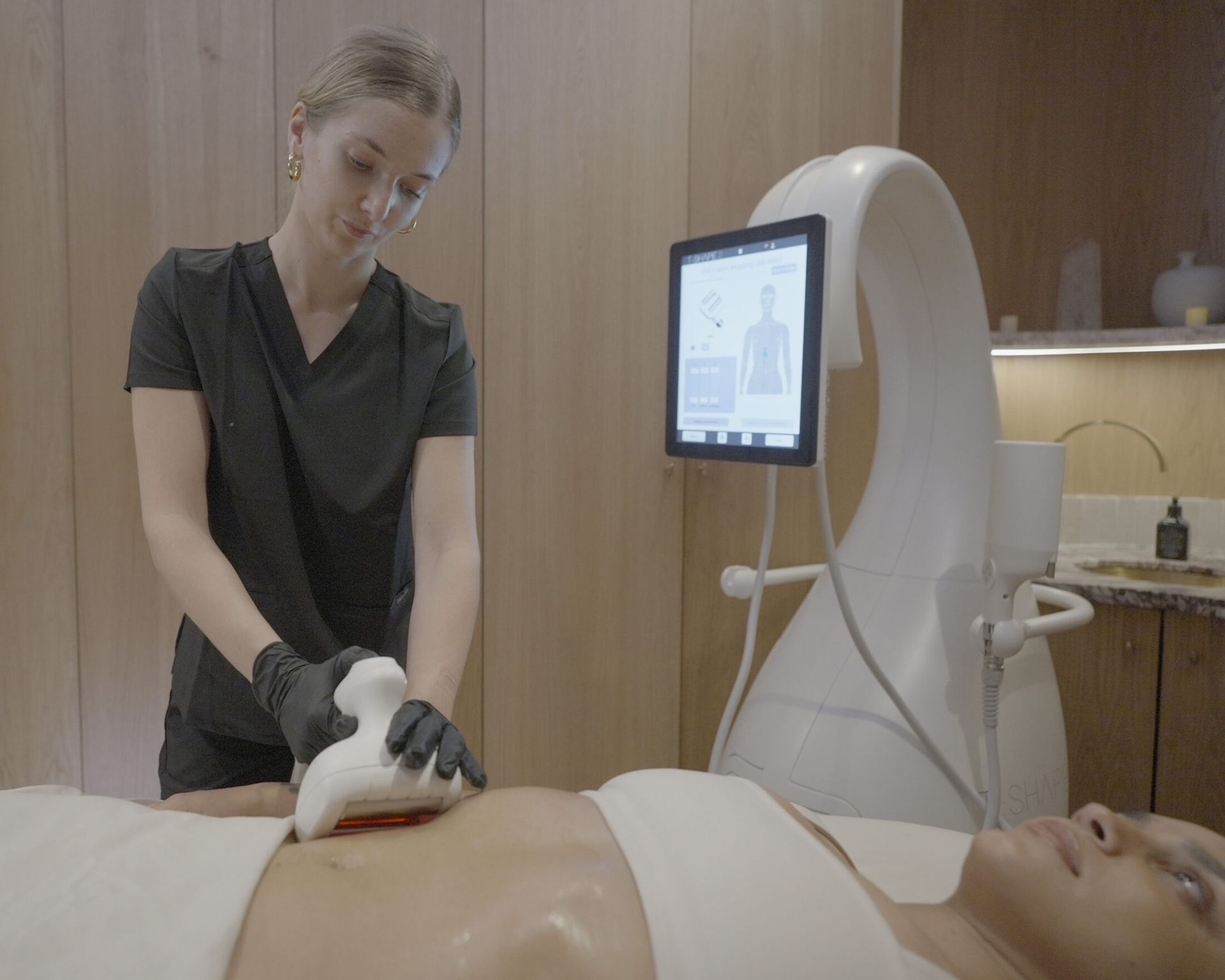
Using FDA Cleared and FDA Registered low-level laser therapy technologies alongside personalized nutrition and lifestyle guidance, we help clients:
- Lose inches without muscle loss
- Improve metabolic efficiency
- Avoid rebound weight gain
- Look and feel better long term
Final Thoughts: The Truth Matters
GLP-1 weight loss medications are not inherently “good” or “bad” — but they are far from the magic solution they are often marketed to be.
The reality is:
- Significant muscle loss is common
- Metabolism often slows
- Side effects drive high dropout rates
- Weight regain is the norm, not the exception
If you are considering GLP-1 medications — or struggling after stopping one — understanding what is happening inside your body is the first step toward real, lasting change.
At Kansas City Laser-Like Lipo®, we are committed to helping people lose fat the right way — without sacrificing muscle, metabolism, or long-term health.


Share On: